
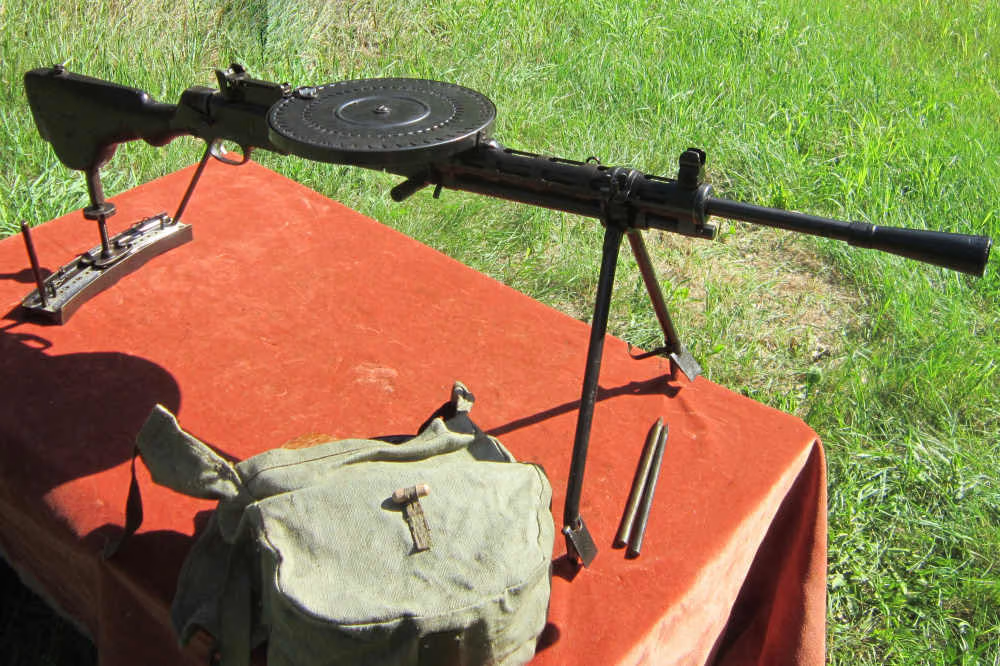
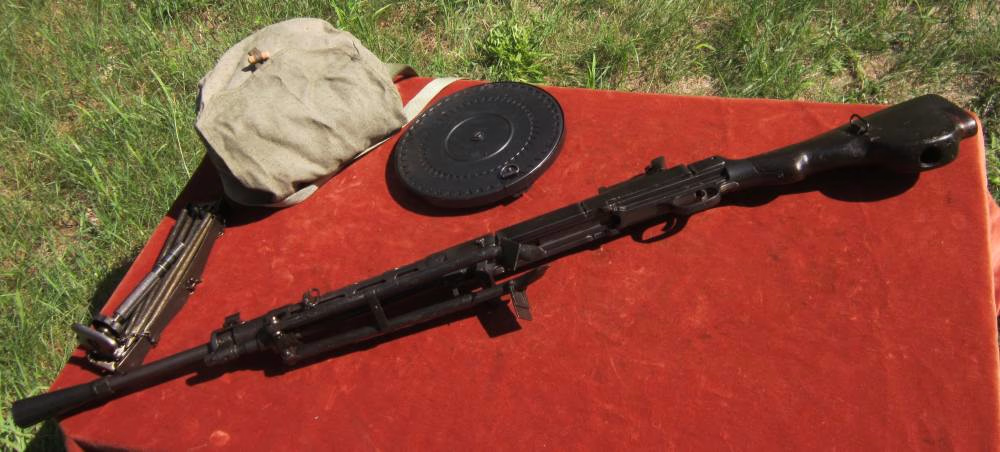
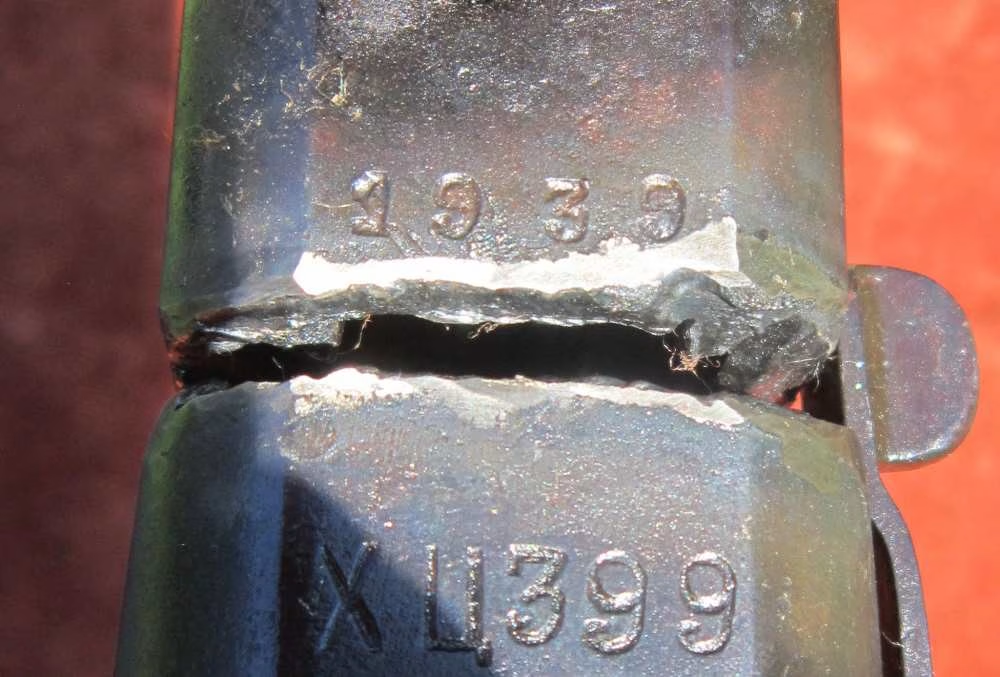
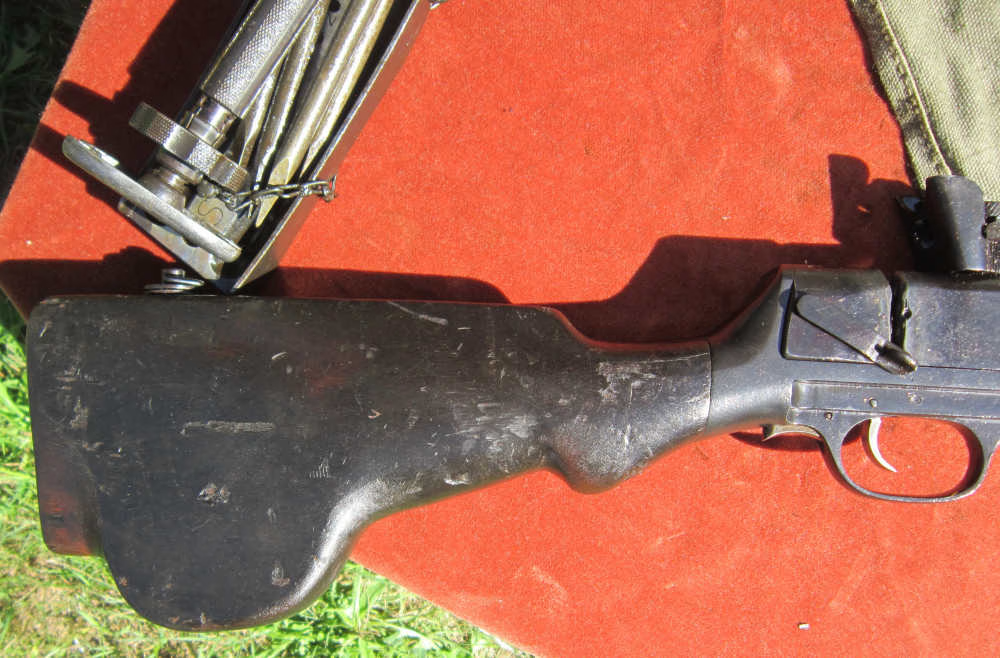
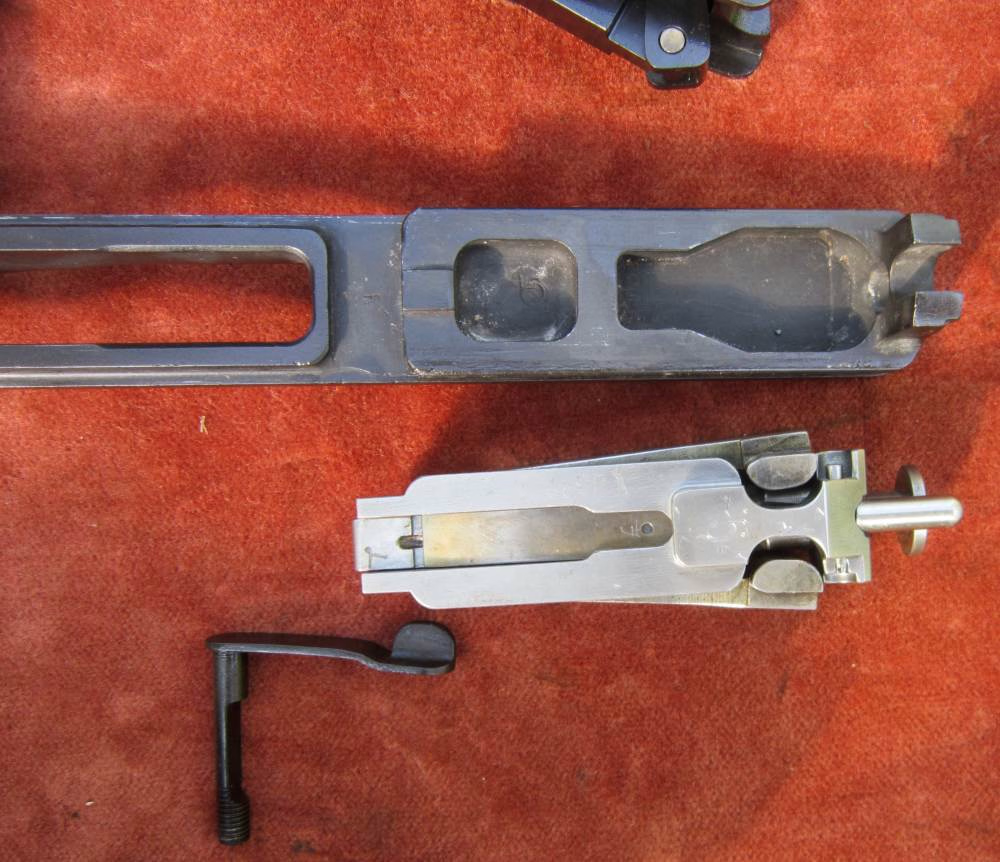
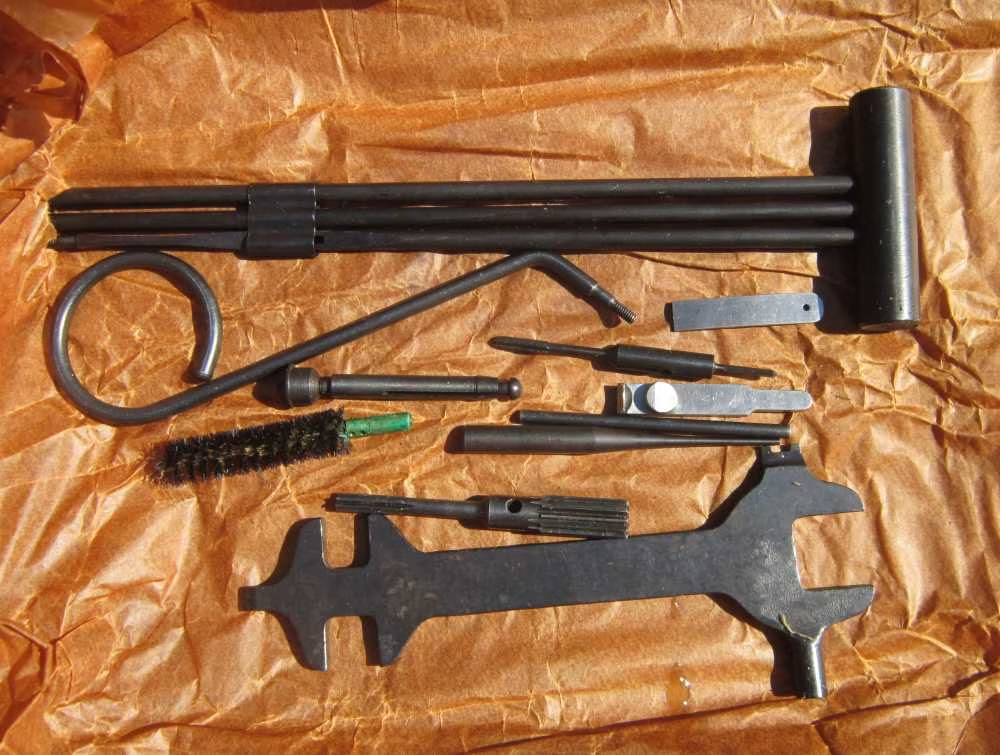
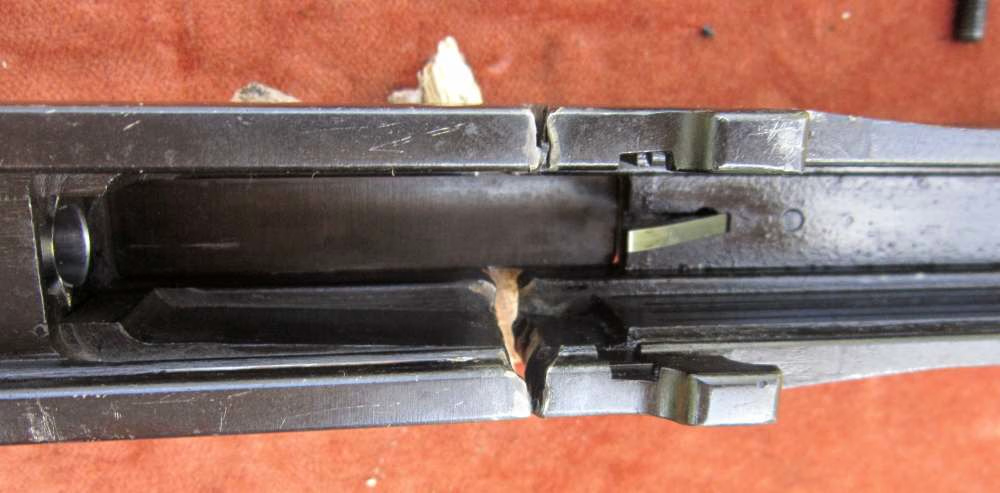
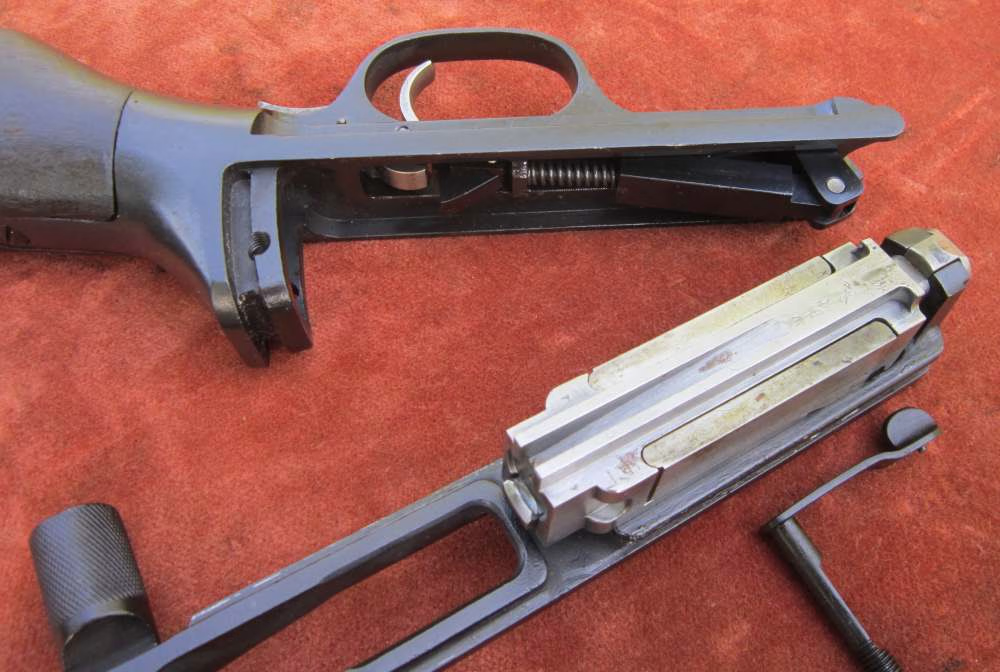
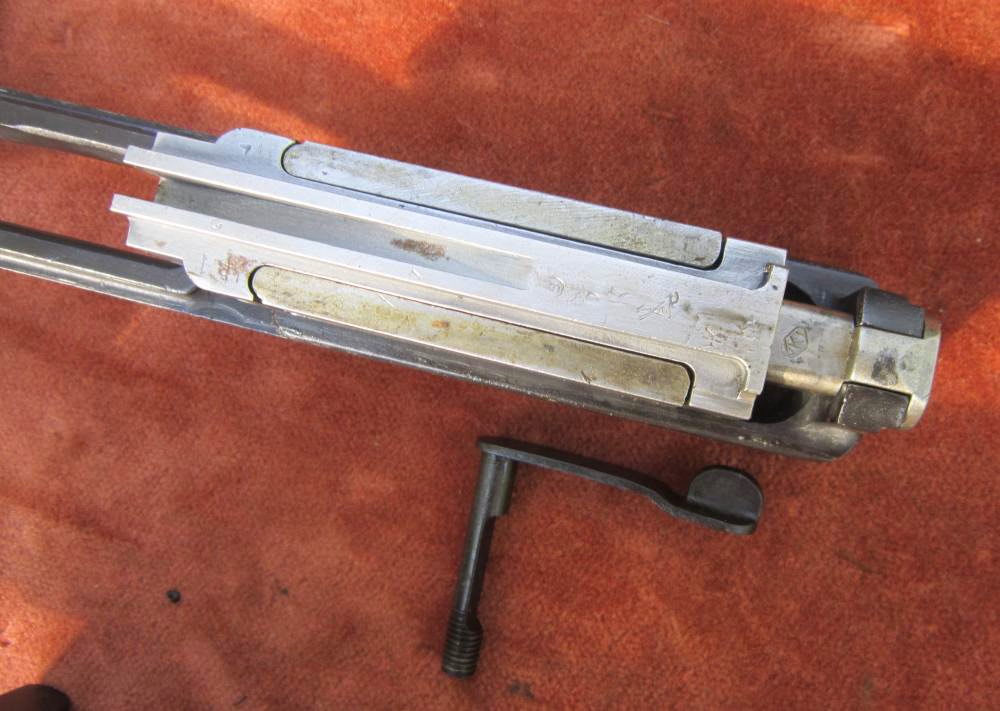
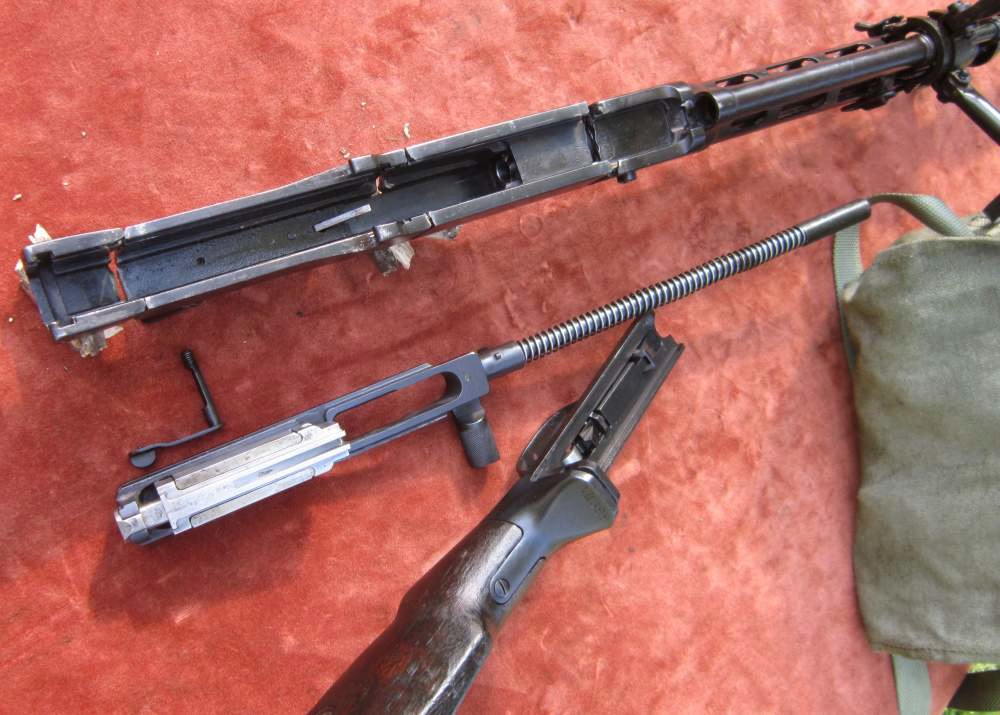
Few World War II infantry weapons are as instantly recognizable as the Soviet DP-28 Degtyaryov light machine gun. Nicknamed “Stalin’s Record Player” because of its distinctive top-mounted pan magazine, the DP-28 became one of the Red Army’s principal squad-support weapons. This exceptional 1939-dated parts set combines early Soviet manufacture, documented Finnish-capture characteristics, matching major components, an excellent original barrel, four 47-round pan magazines, and an extensive collection of period accessories. The receiver, lower assembly, buttstock, and bolt are reported as numbers matching—an especially desirable feature for collectors of Soviet and Finnish military arms. The set also incorporates semi-automatic modifications by SMG Guns, including work to the bolt, fire-control components, and lower grip frame. The receiver remains demilitarized and cut, so the set is offered as parts and historical material rather than as a complete firearm.
Specifications
| Specification |
Details
|
|---|---|
| Model | DP-28 / DP-27 Degtyaryov |
| Date | 1939 |
| Country of manufacture | Soviet Union |
| Historical status | Finnish-capture Soviet weapon |
| Finnish markings | Finland-marked Russian capture or “war prize” |
| Weapon classification | Historically a light machine gun; currently a demilitarized parts set |
| Caliber | 7.62×54 mmR |
| Operating system | Gas-operated, long-stroke piston |
| Original firing system | Open-bolt, automatic-only military configuration |
| Historical cyclic rate | Approximately 500–600 rounds per minute |
| Feed system | Top-mounted detachable pan magazine |
| Magazine capacity | 47 rounds |
| Magazines included | Four original-pattern Degtyaryov 47-round pan magazines |
| Barrel | Excellent original chrome-lined barrel |
| Receiver | Demilitarized, cut receiver sections included |
| Matching components | Receiver, lower, buttstock, and bolt reported as numbers matching |
| Semi-auto components | SMG Guns-modified bolt, fire-control group, and lower grip frame |
| Stock | Traditional wooden DP-pattern buttstock |
| Bipod | Original-pattern folding bipod assembly where pictured or specified |
| Rear support | Rear monopod with traverse-and-elevation adjustment |
| Magazine carrier | Carry bag with internal spacers for three pan magazines |
| Maintenance equipment | DP-27 maintenance and armorer-style tool set |
| Approximate original length | 50 inches (1,270 mm) |
| Approximate original barrel length | 23.8 inches (605 mm) |
| Approximate original unloaded weight | 20–21 pounds (about 9.1–9.5 kg) |
| Set condition | Military surplus; wear, finish variation, and arsenal handling marks expected |
| Current status | Parts and display material only; not a complete or operational firearm |
The Degtyaryov in Soviet service
Designed by Vasily Degtyaryov, the DP entered Soviet service during the late 1920s. Soviet terminology commonly identified it as the DP-27, while DP-28 became the better-known Western commercial designation. Its relatively simple operating system, manageable weight, and ability to use the standard rimmed 7.62×54 mmR rifle cartridge made it a practical infantry support weapon.
The broad, flat pan magazine is the DP’s defining visual feature. Cartridges were arranged radially, allowing the heavily tapered and rimmed Soviet ammunition to feed more reliably than it might from some conventional box-magazine designs. Although the magazine was bulky and comparatively slow to reload, it helped create one of the most memorable silhouettes of the Second World War.
The original DP was later supplemented by the DPM, which relocated the recoil spring and added a pistol grip to improve handling and durability. Other adaptations included the DT and DTM tank guns and the DPT-pattern applications associated with armored-vehicle service. Degtyaryov-family weapons and derivatives have continued to appear in conflicts long after World War II, including examples documented during the war in Ukraine.
A 1939 Finnish-capture example
This set’s 1939 date places its production immediately before the Soviet invasion of Finland in November of that year. During the Winter War of 1939–1940 and the subsequent Continuation War of 1941–1944, Finnish troops captured significant quantities of Soviet equipment. Because Finland already used the compatible 7.62×54 mmR cartridge, captured Degtyaryov guns could be inspected, marked, and returned to service.
Reviews
There are no reviews yet.